
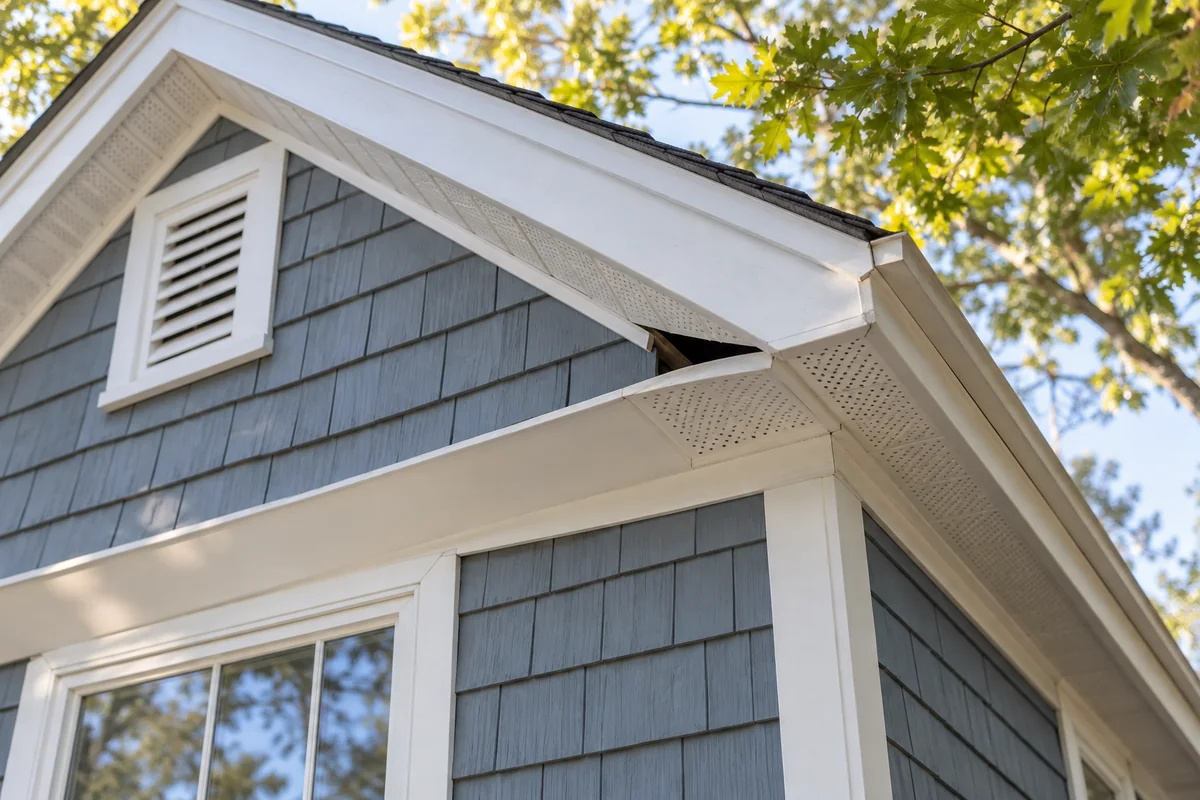
Signs to look for
Movement near vents, damaged soffits or repeated roof-space noises can indicate an access route. Observe from the ground rather than approaching or handling an animal.
How treatment starts
We assess accessible entry points and the likely animal before recommending exclusion or referral. Species, dependent young and access conditions determine what can happen next.
Timing and follow-up
The first assessment establishes the scope and access needed. Ask how long the visit should take, whether any areas need preparation and when the findings will be reviewed.
Prevention
Keep exterior food and waste contained. Arrange repairs only after the active route has been assessed so animals are not accidentally sealed inside.
What affects the price
The quote reflects the affected space, access, extent of activity and the work being proposed. Confirm whether monitoring, return visits and any repairs are included.
Common questions
Is wildlife work the same as rodent control?
No. Larger wildlife can involve different equipment, laws and licensing.
Can the opening be sealed immediately?
The animal and any young must be accounted for before a route is permanently closed.