
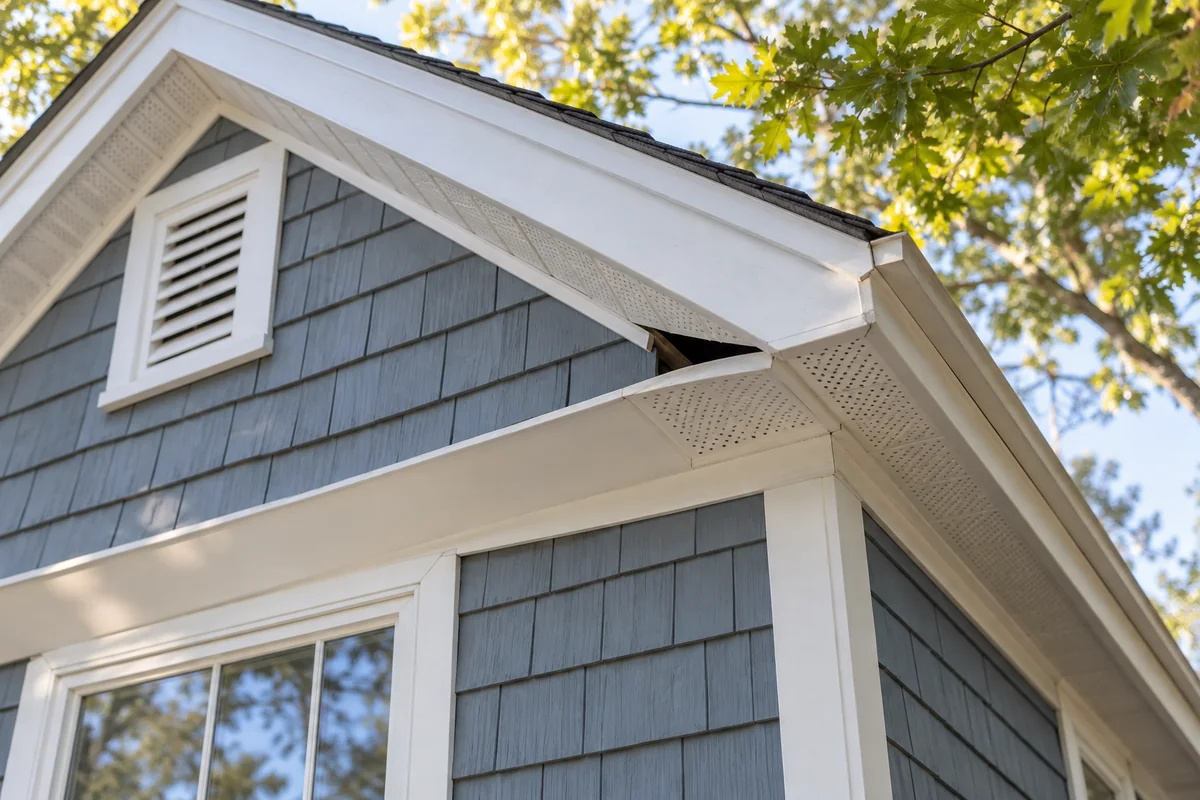
Signs to look for
Watch from a distance for repeated flight to an eave, opening or visible nest. The insect and the nest location help determine whether intervention is appropriate.
How treatment starts
We assess accessible nest locations and identify the insect before discussing treatment or removal. A wall cavity or high roofline may need a different scope from an exposed nest.
Timing and follow-up
The first assessment establishes the scope and access needed. Ask how long the visit should take, whether any areas need preparation and when the findings will be reviewed.
Prevention
Keep people and pets away from the flight path. Do not block an active entrance or disturb the nest while waiting for professional assessment.
What affects the price
The quote reflects the affected space, access, extent of activity and the work being proposed. Confirm whether monitoring, return visits and any repairs are included.
Common questions
Should I block the nest opening?
No. Blocking an active opening can redirect insects into the building and provoke defensive behavior.
Do you remove honey bees?
This foundation leaves that claim blank. A real company should state whether it provides relocation or works with a beekeeper.