
Start with a few observations
You do not need to know the name of the pest before calling. A short description of what you saw and where it appeared is a useful starting point. Note whether the activity happens after dark, follows a particular wall or returns to the same cupboard.
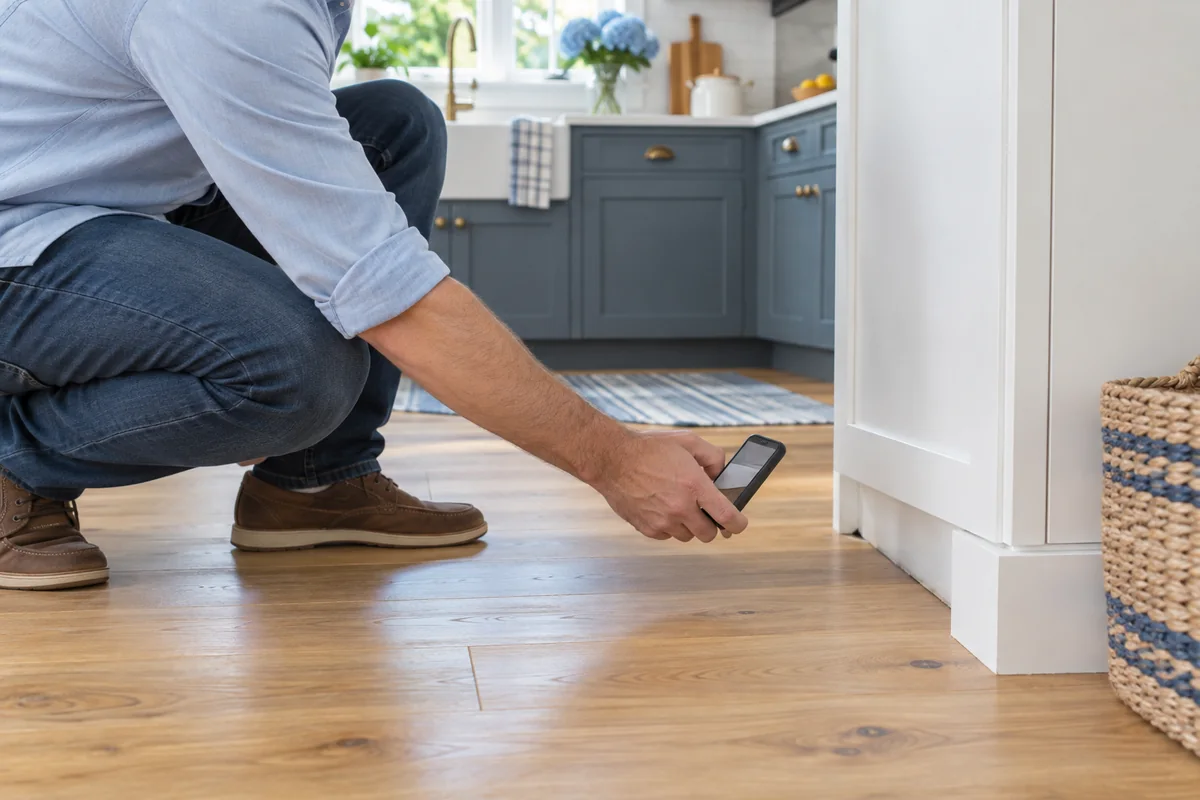
If you can take a clear photograph without approaching or handling the pest, keep it available for the inspection. Include a wider photograph of the location as well as a close view. A room name and a date help connect that evidence to the rest of the visit.
Make the right places accessible
Ask which spaces the technician expects to inspect. An enquiry about mice may involve the area around utility pipes or the edges of kitchen storage; another pest may require access to sleeping furniture or an exterior opening. Preparation should follow the actual concern.
For a rented apartment, establish who can provide access to a cellar, common room or adjoining space. Tell the company about locked rooms, parking arrangements or a building sign-in procedure. These practical details can prevent a useful inspection from being cut short.
Mention what has already changed
Let the technician know about products already used, recent leaks, repairs and changes in where activity appears. Keep product packaging or written details if available. A treatment history is more helpful than trying to guess which action caused the problem.
Explain any household needs that may affect the proposed work, including pets, children or access restrictions. Ask for preparation and return instructions specific to the service, and allow time to make those arrangements before treatment begins.
Leave with a clear next step
Before agreeing to work, ask what was found, which areas are included and how progress will be checked. Confirm the price, expected visits and whether repairs or monitoring are part of the quote.
Keep the written scope and instructions together. If there is uncertainty about identification or access, ask what information is still needed. A useful visit should leave you with an understandable next step, even when the assessment needs more evidence.